NeurIPS 2026
Phaedra: Learning High-Fidelity Discrete Tokenization for the Physical Sciences
A tokenizer for scientific fields, inspired by shape–gain quantization, that keeps the fine detail and physical magnitudes image tokenizers lose.
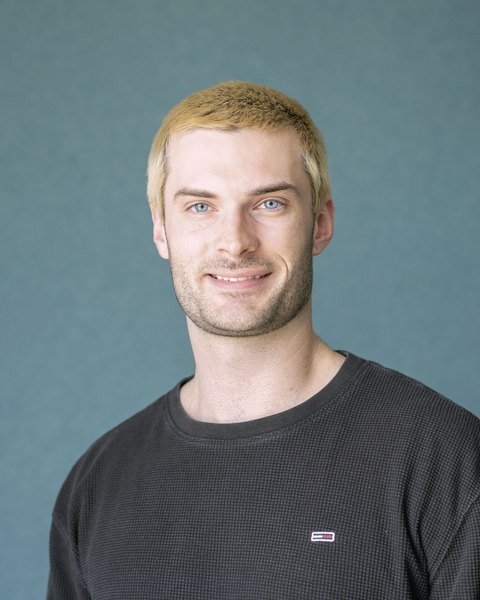
ETH AI Center Doctoral Fellow
Computational and Applied Mathematics Laboratory, ETH Zurich
I am an ETH AI Center Doctoral Fellow and a doctoral researcher in the Computational and Applied Mathematics Laboratory (CAMLab) at ETH Zurich, supervised by Siddhartha Mishra (ETH Zurich) and Sebastian Schemm (University of Cambridge). My research is supported by a research award from IBM, and I collaborate closely with IBM Research.
I build machine-learning methods for scientific computing: neural operators that handle arbitrary geometries and irregularly sampled data, tokenizers and latent spaces that compress physical fields without losing the physics, and neuro-symbolic methods that find closed-form solutions of differential equations. The longer-term aim is a foundation model for partial differential equations.
I like ideas at the edge of what should work, and I am happy to collaborate on ambitious, uncertain directions where the failure modes are as instructive as the wins.
LatestPhaedra was accepted at NeurIPS 2026, and a new preprint on self-supervised universal latent spaces for operator learning is on arXiv.
Also on Google Scholar and OpenReview.
NeurIPS 2026
A tokenizer for scientific fields, inspired by shape–gain quantization, that keeps the fine detail and physical magnitudes image tokenizers lose.
Preprint
A functional autoencoder pre-trained on synthetic analytic functions, with no solver and no labels, whose frozen latent space is reused across 28 operator-learning tasks.
ICML 2026
SIGS searches a continuous latent space of grammar-generated building blocks to recover closed-form solutions, scored only against the PDE and its boundary conditions.
Linear Algebra and its Applications
A structured network built on the Hankel operator that predicts the states of dynamical systems with fewer parameters and lower cost than standard networks.
NeurIPS 2025
Multiscale attentional graph encoders with a transformer processor: accurate and fast on arbitrary domains, including large 3D industrial CFD datasets.
NeurIPS 2025
A multiscale graph neural operator on point clouds that generalizes to unseen resolutions in both space and time.
NeurIPS 2024
One operator-learning model that predicts continuous fields and infers distributions of the discrete parameters behind them.
ICML 2024
Direct evaluation of the spectral transform lets Fourier neural operators run on arbitrary, non-equispaced point distributions.
Structured-matrix algorithms for fast transforms and wideband array signal processing, and one excursion into energy policy.
Away from the math, I paint. Select a painting to see it larger and zoom in on the brushwork. More on Instagram at @levi_paints_here.
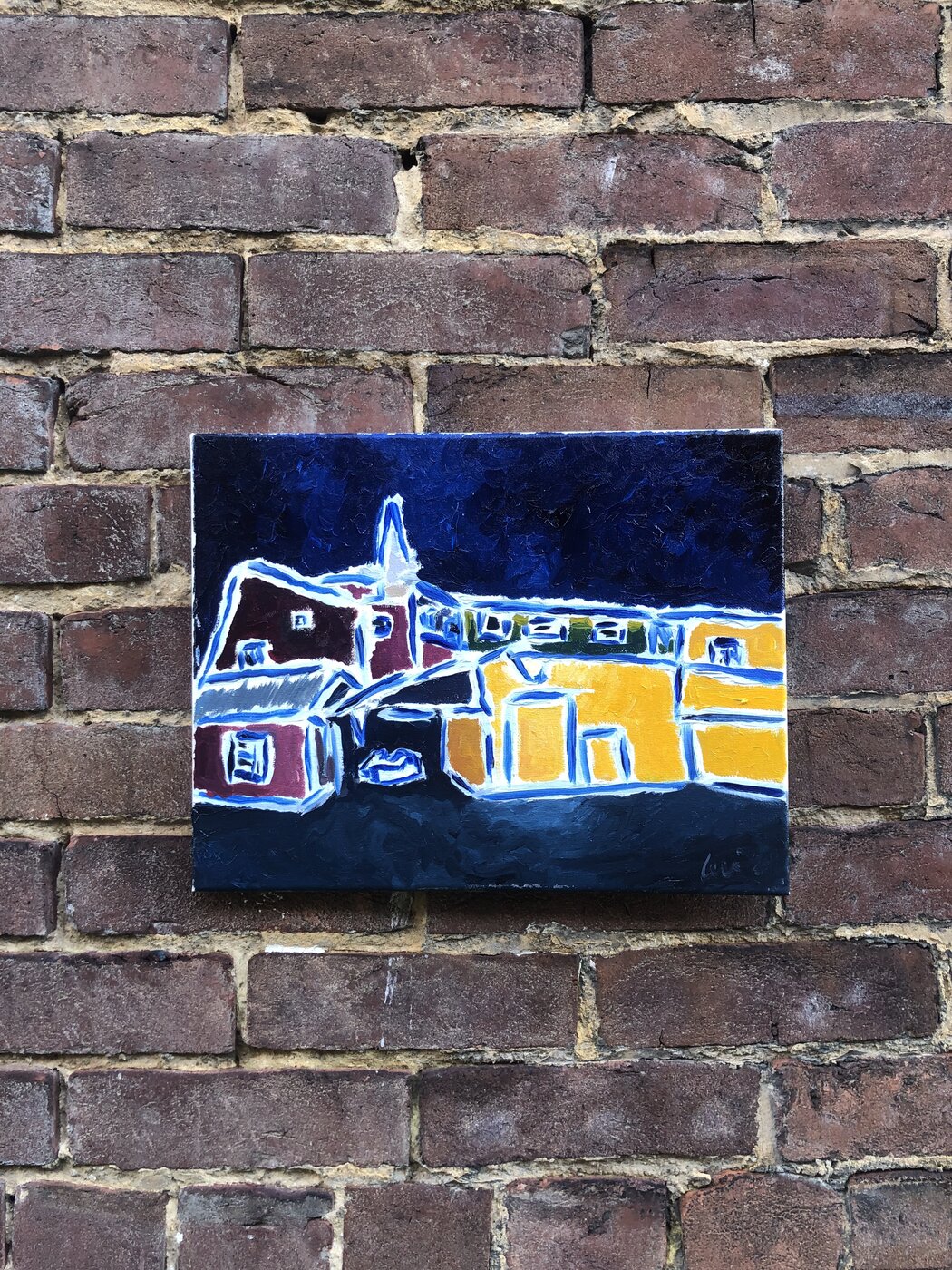
Hometown Blues
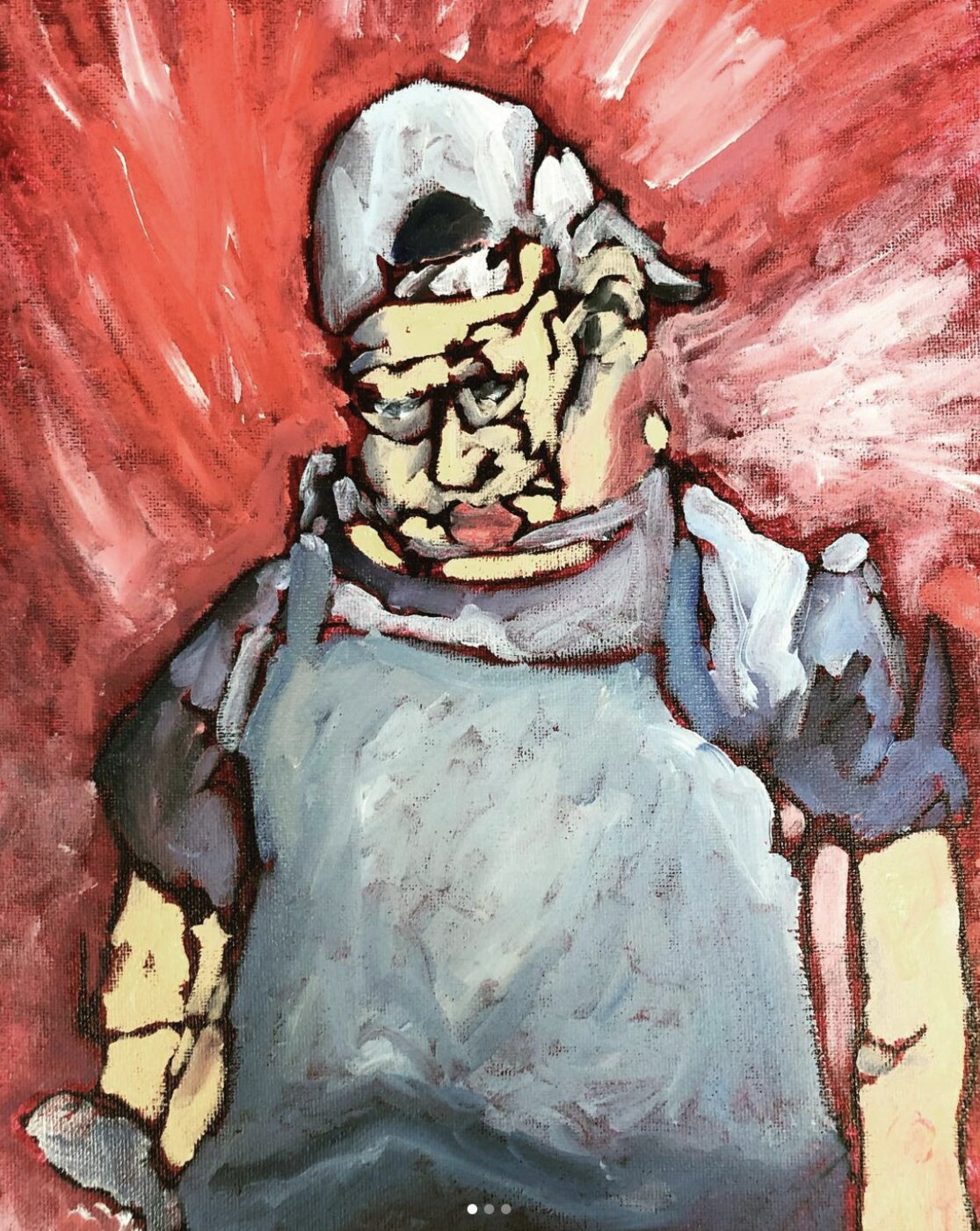
Austin
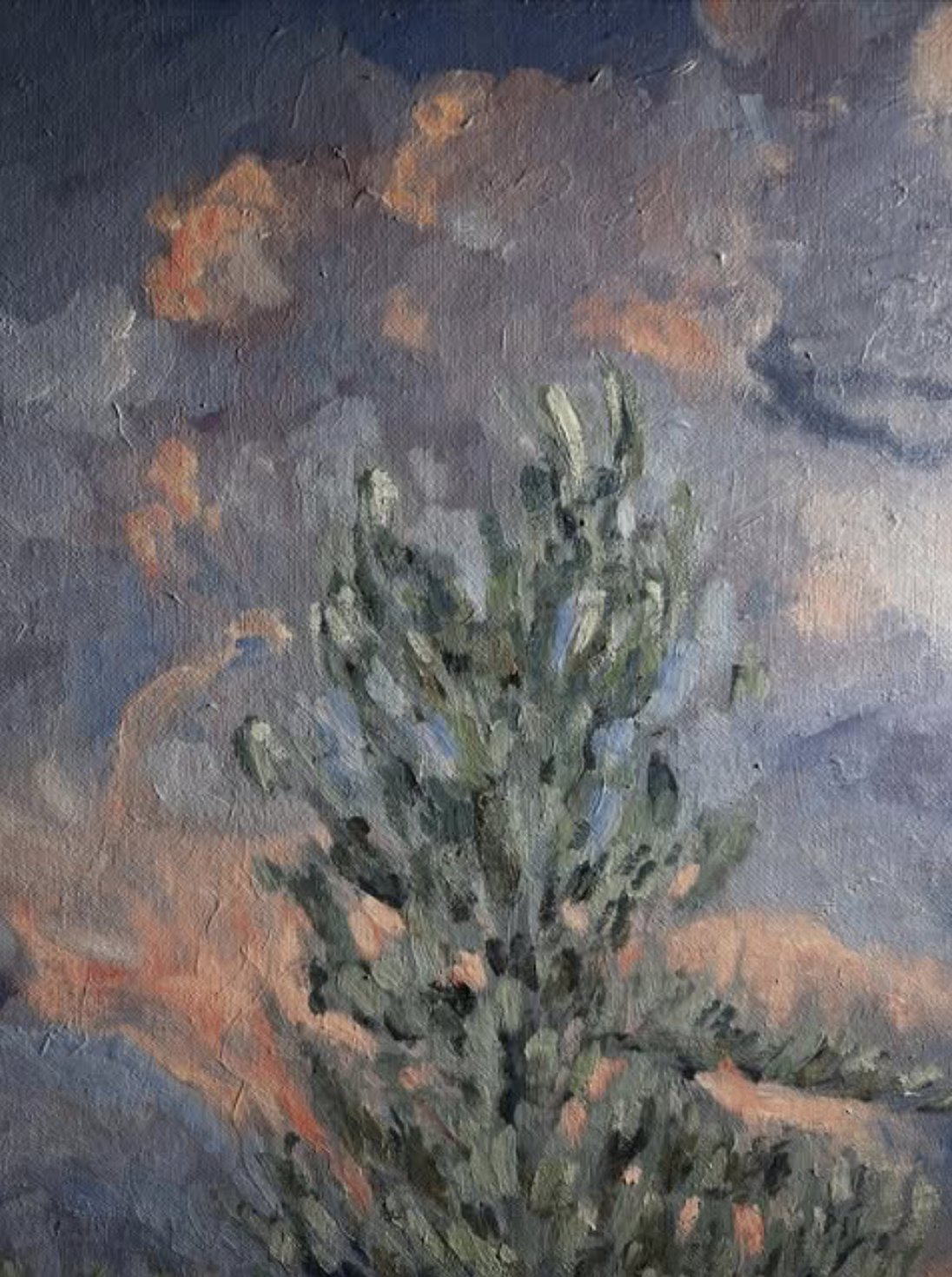
Tree at Sunset
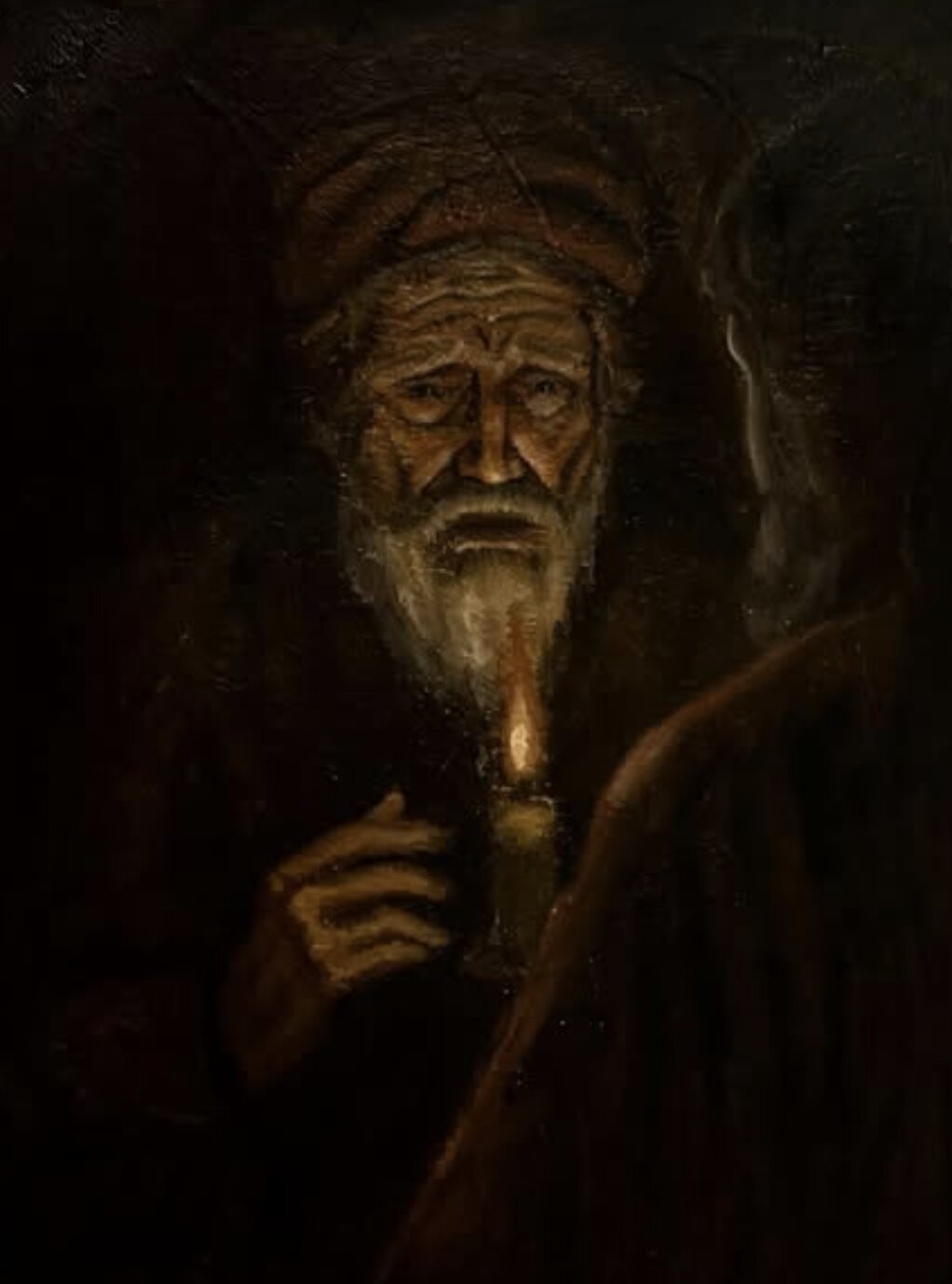
Nicodemus
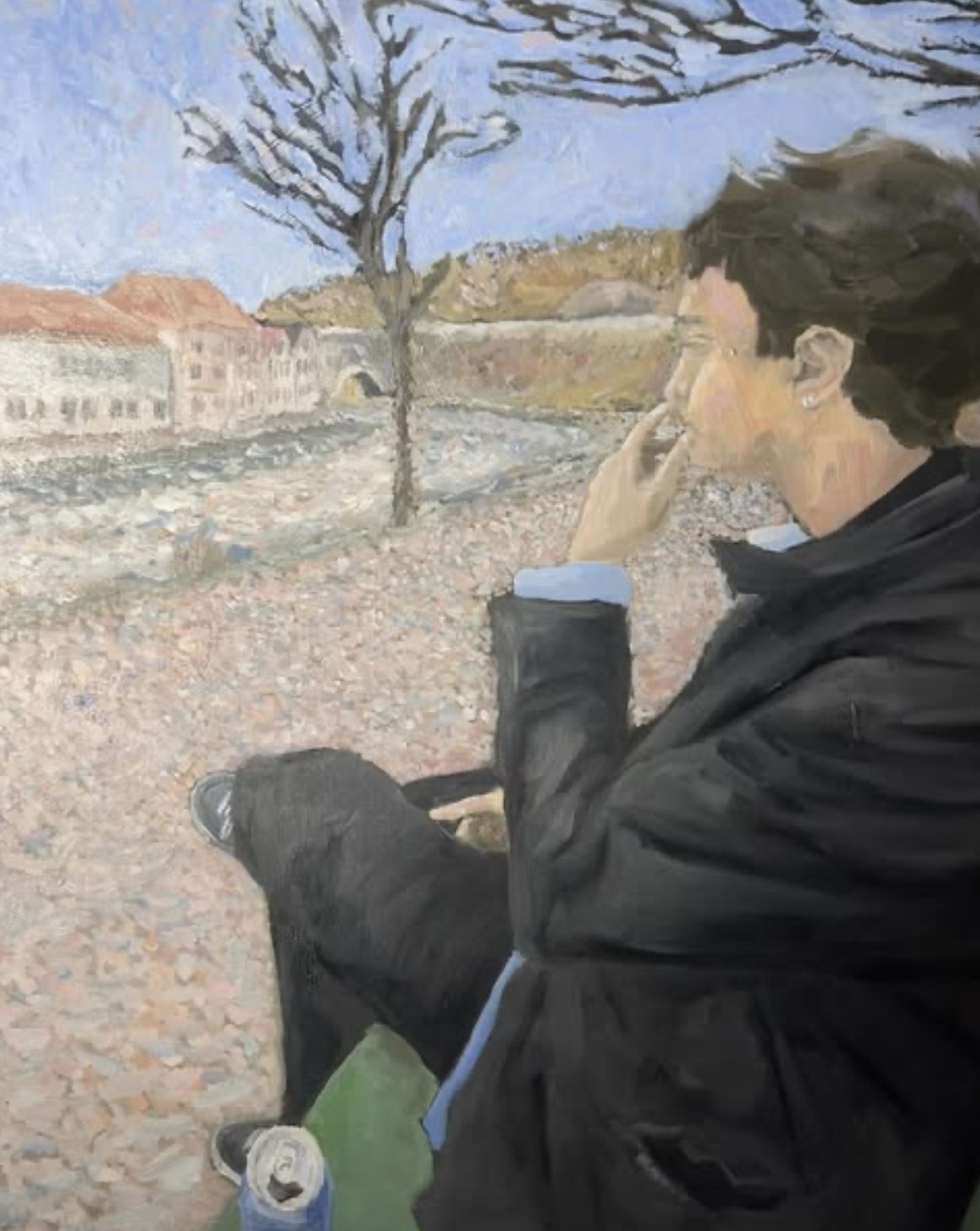
BnCs in the Park
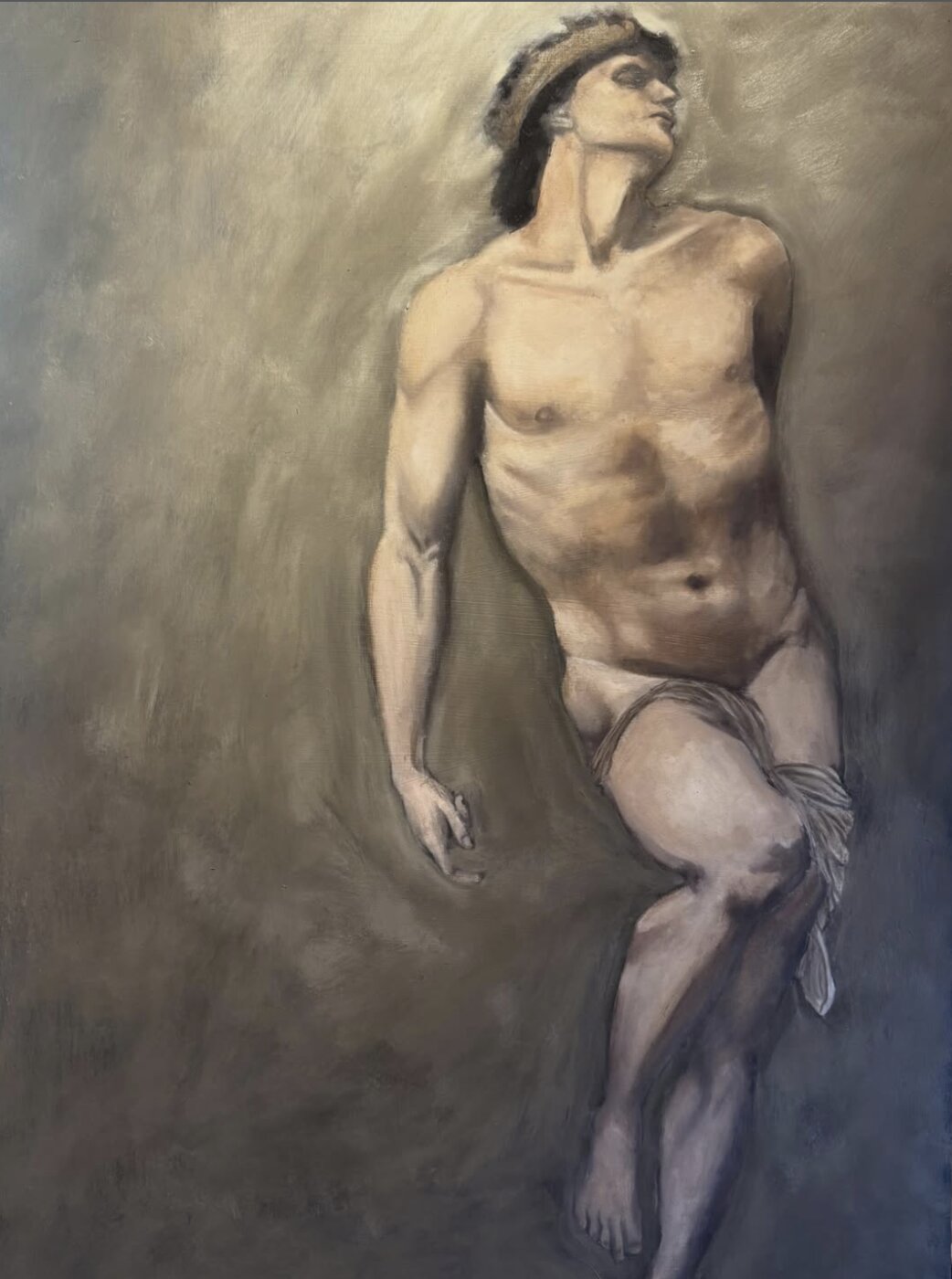
Wheel of Fortune (Study)